Source forged chemical resistant flange for water, oil, and gas systems
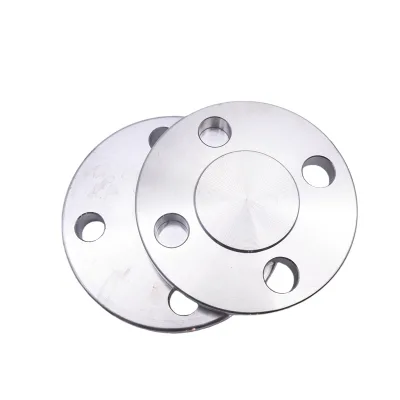
Compare 30 listings of forged chemical resistant flange available in stainless steel and carbon steel. Buyers can evaluate specifications, sealing surfaces, and connection types for water pipe systems, oil pipelines, and gas distribution networks.
Key considerations
Products List




Comprehensive Sourcing Guide
Forged Chemical Resistant Flange Sourcing Guide
Sourcing forged chemical resistant flanges requires a disciplined approach that balances material integrity with precise dimensional verification. These components serve as critical junctions in piping systems where pressure, temperature, and chemical exposure converge. Buyers must recognize that "forged" indicates a manufacturing process that refines the metal grain structure, offering superior mechanical strength compared to cast alternatives. This structural integrity is particularly vital when handling aggressive media or operating under high-pressure conditions. The procurement strategy must therefore prioritize suppliers who can demonstrate consistent forging practices and rigorous quality control throughout the production cycle.
The term "chemical resistant" in this context primarily refers to the material selection, specifically stainless steel grades such as 304 and 316, which offer inherent corrosion resistance. However, resistance is not absolute; it depends heavily on the specific chemical composition, concentration, and temperature of the fluid being transported. Procurement teams must align the flange material grade with the exact service conditions to prevent premature failure. Additionally, surface treatments like pickling, annealing, and polishing play a crucial role in enhancing corrosion resistance by removing impurities and creating a passive oxide layer. Verifying these surface finishes is as important as verifying the base material composition.
Product Scope and Observed Listing Signals
The current market landscape for forged flanges reveals a wide range of product variations, with observed listings indicating a price range from $0.1 to $3,000 USD. This broad spectrum reflects differences in size, material grade, and manufacturing complexity. Buyers should note that the minimum order quantity (MOQ) typically ranges from 1 to 10,000 pieces, allowing for flexibility in both pilot projects and large-scale industrial deployments. The availability of stock is frequently highlighted, suggesting that standard sizes and common material grades are often kept in inventory by suppliers, which can significantly reduce lead times for urgent procurement needs.
Observed product attributes indicate a strong emphasis on customization, with many suppliers offering OEM services and the ability to produce flanges according to specific drawings. The standard connection types observed include welding flanges and flanged connections, with sealing surfaces ranging from Ring Joint (RJ) to Flat Face (FF). Sizes span from DN12 to DN100, with outer diameters extending up to 100 inches and wall thicknesses covering schedules from Sch5 to Sch160. This variety allows buyers to source components that fit diverse piping configurations, but it also necessitates careful verification of each specific order against the project’s technical drawings to ensure compatibility.
Technical Specifications to Verify
Material verification is the first critical step in ensuring the longevity of the installation. Buyers must confirm that the flanges are made from the specified stainless steel grade, such as 304 or 316, or carbon steel if the application permits. The manufacturing method should be explicitly stated as forging, which ensures a dense grain structure and higher tensile strength. It is essential to request material test reports (MTRs) that certify the chemical composition and mechanical properties of the steel. Without these documents, there is a risk of receiving substandard materials that may fail under stress or corrode prematurely in chemical environments.
Dimensional accuracy and surface finish are equally important technical parameters. The bolt hole diameter and quantity must match the mating flange or nozzle exactly, with observed specifications including bolt hole diameters from 11 mm to 58 mm and quantities ranging from 4 to 20 holes. The sealing surface finish, whether polished, sandblasted, or pickled, must be free from scratches, pits, or contaminants that could compromise the gasket seal. Buyers should verify that the flange structure is round and that the overall dimensions adhere to recognized standards such as GOST, GB, DIN, ANSI, BSW, or JIS, depending on the regional requirements of the project.
Compliance and Safety Documentation
Compliance with international standards is non-negotiable for chemical resistant flanges used in industrial applications. Buyers should verify that the supplier adheres to recognized standards such as ISO 9001 for quality management, although this should be confirmed through valid certification audits rather than assumed. The flanges must also comply with specific material standards like ASTM A182 for forged or rolled alloy and stainless steel flanges. These standards define the requirements for chemical composition, mechanical properties, and testing procedures, ensuring that the product meets industry expectations for safety and performance.
Safety documentation should include comprehensive test reports that cover hydrostatic pressure testing, tensile strength testing, and impact testing where applicable. Buyers must ensure that the supplier provides clear documentation of the surface treatment processes, such as annealing and pickling, which are critical for maintaining corrosion resistance. Additionally, any special flange requirements or custom designs should be accompanied by detailed engineering drawings and approval records. This documentation not only ensures compliance but also provides a traceable record for future maintenance and liability purposes.
Cost Drivers and Commercial Terms
The cost of forged chemical resistant flanges is influenced by several key factors, including the raw material price of stainless steel or carbon steel, the complexity of the forging process, and the surface treatment requirements. Larger diameters and thicker wall schedules generally command higher prices due to increased material usage and machining time. Buyers should also consider the impact of customization, as OEM services and special designs may incur additional tooling or setup costs. Understanding these cost drivers allows for more accurate budgeting and negotiation with suppliers.
Commercial terms such as EXW, FOB, CIF, CNF, CFR, and DDU are commonly offered, providing flexibility in logistics and risk management. Buyers should carefully evaluate these terms in the context of their supply chain strategy. For instance, FOB terms place the responsibility for shipping and insurance on the supplier until the goods are loaded onto the vessel, while EXW terms require the buyer to arrange all transportation from the supplier’s premises. The packaging method, which may include woven bags, wooden boxes, or pallets, also affects shipping costs and protection during transit. Clear agreement on these terms prevents unexpected expenses and ensures smooth delivery.
Supplier Qualification and Quality Control
Selecting a qualified supplier is paramount to securing high-quality forged flanges. Buyers should prioritize suppliers with a proven track record in manufacturing and exporting flanges, particularly those located in established industrial hubs like Tianjin or Hebei in China. It is advisable to conduct on-site audits or request third-party inspection reports to verify the supplier’s manufacturing capabilities, quality control processes, and testing facilities. Suppliers who offer long working life advantages and chemical resistance features should be able to provide evidence of these claims through material certifications and performance data.
Quality control measures should include rigorous inspection at every stage of production, from raw material receipt to final packaging. Buyers should insist on pre-shipment inspections to verify dimensional accuracy, surface finish, and material compliance. The supplier’s ability to provide OEM services and accept custom drawings indicates a level of flexibility and technical competence. Additionally, checking the supplier’s stock availability can be a useful indicator of their operational efficiency and ability to meet urgent delivery requirements. Establishing a strong relationship with a reliable supplier ensures consistent quality and reduces the risk of supply chain disruptions.
Long-Term Procurement Checks
Long-term procurement success depends on continuous monitoring of supplier performance and product quality. Buyers should establish key performance indicators (KPIs) such as on-time delivery rates, defect rates, and responsiveness to issues. Regular audits and feedback loops help identify areas for improvement and ensure that the supplier maintains high standards over time. It is also important to stay updated on changes in industry standards and regulations that may affect the design or material requirements of the flanges.
Supply chain resilience is another critical aspect of long-term procurement. Buyers should diversify their supplier base to mitigate risks associated with single-source dependencies. Maintaining a buffer stock of critical flange sizes and grades can help manage unexpected demand spikes or supply disruptions. Furthermore, fostering open communication with suppliers regarding future project needs allows for better planning and potential cost savings through volume commitments. By proactively managing these aspects, buyers can ensure a stable and efficient supply of forged chemical resistant flanges for their operations.
FAQs
What materials are used for forged chemical resistant flanges?
These flanges are primarily manufactured from stainless steel grades such as 304 and 316, which offer excellent chemical resistance. Carbon steel options are also available for specific applications. The forging process ensures high structural integrity and durability, making them suitable for demanding industrial environments where corrosion resistance is critical for long-term performance.
Can I customize the specifications for these flanges?
Yes, customization is available to meet specific project requirements. Manufacturers can produce flanges according to various standards including GOST, GB, DIN, ANSI, BSW, and JIS. Buyers can request specific dimensions, bolt hole configurations, and surface treatments like annealing or pickling. This flexibility allows for precise integration into existing piping systems and unique operational needs.
What connection types are available for these flanges?
The primary connection type is welding, specifically designed for secure and leak-proof joints in piping systems. The sealing surface often features a Ring Joint (RJ) configuration for high-pressure applications. Additionally, flanged connections are standard for easy assembly and disassembly. These options ensure reliable performance in water pipe systems and other industrial fluid transport networks.
What is the typical MOQ for ordering these flanges?
The minimum order quantity typically starts at 10 pieces, allowing for flexible procurement for various project sizes. Stock availability is confirmed for many standard sizes, which can reduce lead times. For larger orders, manufacturers can accommodate volumes up to 10,000 units. This range supports both small-scale maintenance needs and large-scale industrial construction projects efficiently.
How are these flanges packaged for shipping?
Flanges are packaged using woven bags, wooden boxes, or wooden crates to ensure safe transit. Some suppliers offer inner plastic bags combined with cartons and pallets for added protection. This robust packaging prevents damage during handling and transportation. The choice of packaging depends on the order size and specific shipping requirements, ensuring the products arrive in optimal condition.